Featured

Chapter 44 – Kyle David Smith

Throughout my time doing this blog, I’ve come across people who find solace and inspiration in many things to get through the difficult days. One thing that’s more common than others is music.

Whether it’s listening to your favourite songs or if you’re a musician yourself, for me there’s nothing quite like music in the world. We listen to it when we’re sad, happy, it triggers fond memories and we use it for special occasions. It’s also a huge coping mechanism in a creative way, via songwriting and performing.

I met Kyle David Smith through the ā€˜Sappenin Podcast’ Patreon group. A place where I’ve met many incredible people via a mutual love of rock music which has become such a safe haven and I’ve made some fantastic friends through it. Kyle is most definitely one of them and the more I got to know him, the more I wanted to tell his story.

Kyle is an accomplished musician and songwriter through his projects, Icantdie and Pay The Man. He also does the rounds as a covers artist under his real name and has a lifelong love of music. The reasons behind a lot of music is his battles with mental health which has spoken volumes via his songwriting.

Kyle was the first person I’ve actually interviewed for this blog in person. Until then, I had only conducted them via Zoom calls so we met up in a pub in Cardiff. Over a few beers we talked shop as he shared his stories and his battles in an incredibly honest way.

How important is music to you, especially in difficult situations?

Music is basically an escape and always has been for me. When it comes to writing music, it gives you that creative bubble that’s gives you a sense of purpose. It also shuts off things that’s been bothering you in the outside world and that inspiration is what drives you to keep going.

In some cases it can be a bit of a healer but at the same time it can be very hard work as well. For example, I have so much music that I’ve composed that I don’t have any lyrics for. On the flip side, I may have something I have lyrics for but don’t have the music to connect it to.

It’s all about putting in the work as well as having that drive and ambition to be creative. In terms of how important music to me, it’s an escape but a bit more than that. It’s hard to explain but when people say they have a purpose in life or that it’s all they have, it’s a bit different for me. It is the most interesting part of my life.

This is something I know that pushes me further and gives me so much ambition. I’m nearing my mid 30’s, but I still feel I have so much to achieve and we need that boost, that drive to keep at it. You don’t want to work in a dead end job that you hate, you can’t want that creative edge. It’s something that gets you out there and makes you different.

If I didn’t have the opportunity to do music, I’d have to rethink my entire life. That is such a detrimental process for me as in comparison it would be the same as a rugby player breaking their leg. They’d be stopped from doing what they love, and if I was in that position with music where I couldn’t write or perform, it would be a scary concept.

You would crumble and you can pick yourself up but I wouldn’t wish that on anyone. That creative, passionate part of yourself is what gives your life enjoyment so I encourage anyone to follow it whether it’s writing, performing or any other creative aspect.

Songwriting has often been described as ā€œtherapeuticā€. Would you agree with this and how would you relate to this?

I totally agree and to elaborate on that, if you wish to talk about something or express your feelings about something that’s detrimental or that brings you joy via songwriting, it’s hugely therapeutic. It’s like you’re pouring out your soul into something.

I’ve written about a lot of crappy things as well as happy times in my life. It’s better than talking about in some ways. I do confide in people in a private setting when I’m in a bad place or I do sometimes reach out via a more public platform like Facebook.

However, in the song ā€˜Situationship’ where I wrote about something which happened to a friend of mine. The song is about him and a girl he liked where he was frustrated by certain aspects of the situation. He wasn’t very happy when I told him about it, but at the end of the day he was relieved that it was in the format of a song. It’s a way of telling a story whether it’s something serious, funny or even cynical.

Another example is the song I’m about to realise on April 1st which is called ā€˜Four Dumb Lines’. This is about pretty much every shitty thing that’s happened to me during lockdown. I hated working from home as it was such a frustrating and miserable time for me. It drove me mad and I nearly lost my job as it got way too harsh for me.

A customer was crying because her problem wasn’t getting sorted so I broke down because I couldn’t help her. That was destroying for me as I really did want to help her but couldn’t find a resolution to this problem. It got so bad afterwards that my girlfriend encouraged me to seek help but instead I started writing.

The lyrics that were created as a result of these feelings really due ring true for what I was trying to say. Depression, anxiety and other mental health conditions are jigsaw pieces that I’m trying to fit into my writing and of course it’s therapeutic for me. I want to basically tell a story from my perspective with both good and bad things in there.

That’s your voice and you’re not just complaining about things. You’re doing it in a way where people can enjoy and relate because it’s a creative outlet but also an art form as well. The most depressing points of my life can be told via a very happy sounding song that I’ve written. People can resonate with it and that’s a massive thing for musicians.

One of the best songs where mental health is portrayed is by an artist named Julien Baker. The song is called ā€˜Appointments’ and it’s one of my favourite songs ever but it’s so sad. It’s essentially about her going to see a doctor about her mental health and it spoke volumes to me. I’ve covered it a couple of times and the lyrics ring true where it sounds like she’s crying through the vocals whilst actually singing.

When the emotion and the vocal points hit, it makes you want to cry and it’s not the first song that’s made me feel that way. I can’t listen to certain tunes without crying like ā€˜She Loved Me’ by Randy Newman from the film ā€˜Toy Story 2’. It’s beautiful and it just makes me bawl. There’s many songs that makes you dance and be happy which is also therapeutic but that connection to music and lyrics is massive for sure.

When I was going through a tough time after my previous girlfriend cheated on me, I went through a really tough time but I wrote a lot of songs during that period. There was a song I wrote called ā€˜Banned For Life’ where she got banned from a club we both went to due to some reckless behaviour. I used as to relate it to the breakup.

It helped me because I’m not happy but it gives me the serenity where I can put it to bed. I’m proud of the songs I’ve written and I’m happy to talk about the topics as they’re my way of fighting against the negativity and shit times.

Apart from music, what do you find helpful in getting you through a difficult time?

Companionship is massive as talking to your loved ones or close friends is such a helpful tool to have in these difficult situations. I’ve come to a point where my friends have gotten married, had kids or have set up home with their partners but I’m still very close with them.

My girlfriend sometimes tells me that I know everyone but through doing music, it comes with the territory as you’re always meeting new people and building foundations. It’s a great thing and it has that point where you can mingle which then turns into a solid friendship.

During these tough times, these friends can help you and you can help them through their difficult periods as well. Those worries I have goes away once I’ve confided in my friends and I try to do that as much as possible. Even if they’re going through shitty times, it’s therapeutic for me to help them.

It makes me feel better knowing I’ve helped someone. I care about that person and don’t want to see them go through a tough period. We don’t want to feel depressed or anxious so if we can both get to a point where talking and supporting each other will help us towards a more positive mindset, I’m all for it and would be there in a heartbeat.

Another massive thing for me is exercise. Even if it’s just walking a mile day, it helps me. I’m very stubborn about it but at one point I just to run half marathons. I’m trying to get back to that stage as a depressive state caused me to stop running for a while.

I’m getting myself back out there and it gives me a massive boost. I won’t slim down straight away but it’s a process as well as a very therapeutic tool when I’m not feeling that good.

Gaming is something I go to and sometimes stay away from. It’s a universal and sometimes toxic in a way. I don’t mind the community aspect but it can go bad where insults and bullying can occur.

Gaming can be an escape where you can be someone else or enter a fantasy land. You can also concentrate on things like finish a mission or compete against your friends online but I don’t see it as something that can be a bit detrimental for mental health. I love gaming but as many good points it has, there are some bad ones too.

Work is another big coping mechanism. It helps as much as it sucks. In the job I do, I’m very constructive where I’m on the go and I’m very busy. It passes the time and it keeps you energised. Don’t get me wrong it is exhausting but that’s what helps you get through it and you can relax knowing you’ve done the best you can.

Ricky Gervais puts it best in show ā€˜After Life’ on Netflix. His character goes to work because that’s what is getting him out of bed in the morning as it’s giving him purpose. That and taking the dog for a walk is what’s helping through the darkest times. You’ve got to have a purpose in life to keep you going which is such an important factor.

What benefits have you found from being creative and what advice would you give to someone who’s struggling to ā€œfollow their passionā€?

I see any piece of music I’ve released, whether it’s an album or single as a badge of honour. It’s something I’ve created and who doesn’t feel great when they see something they’ve created and worked from the ground up on a public platform?

Being creative like that makes you want to work harder when you see the results. Money of course is a massive factor and I never thought I could do an album but when I did the Pay The Man record, it was all me. I funded it myself, did all the instruments, bounced them all off and then sent them to a producer which he mixed himself.

I never thought it was possible but I wanted to believe that I could do this myself with no experience of putting an album together. The producer was so understanding and supportive with this project. As soon as the drums were recorded, I know how the rest of the pieces fitted together in this puzzle.

Once it was finished, it was such an amazing feeling to know that it was finished but it was something I made. I promoted the hell out of it but I knew it wasn’t going to be an overnight sensation but the effort and drive was always going to be there. I wanted to create something which I could sell at gigs. Some people say CD’s ā€œaren’t cool anymoreā€ but to know I have a physical copy of my music that someone can buy is just incredible.

Being creative on that front is such a massive benefit and it shows that anything can be possible if you work hard at it. One of my favourite quotes from the sitcom ā€˜Flight of the Conchords’ is ā€œHe says he doesn’t mind but I can tell he kinda minds, but I’m gonna do it anyway.ā€ Just go for it!

If there’s any advice I can give to someone else who’s trying to follow their passion is to be stubborn with yourself. It’s the best thing I can say although in relation to music, many a promoter will hate you for it, trust me I know! That’s what I would advise anyone to do. Be annoying in the best way possible.

Once you’ve created what you want to create and you have that drive to show people, you just have to stick at it and keep promoting the hell out of it. When promoters say ā€œI see people like you all the time.ā€ Yeah that’s well and true but I’m different if you take the time to listen to what I’ve made.

One of the promoters that I’m friends with that I also annoy the hell out of, every time he puts a show on with no support acts, I send him a meme. It’s one of Salt Bae where he’s dropping the salt but I put either Pay The Man or Icantdie under the hand so it’s a different way of pushing it.

Even if you play the worst shows in the world in front of practically nobody, you still do it. I drove to London from Bridgewater to play as midday show to absolutely nobody but the bands who were on after me. Someone asked me to play and said yes because I wanted to. He wanted someone with determination and that guy was me.

You do what you’re asked to do and stick at it. Even when things seem shit, be stubborn, stick at it and you’ll see some benefits come through for sure.

Why do you think there is such a stigma associated with mental health, specifically with men?

Right, it’s a two parter as there’s a type of man where they think the idea of mental health is bullshit and it doesn’t effect them. That is stemmed from us being stuck in the ways of decades past where we had that mentality etched into us from our elders.

I can understand that because why would you think that you have an problem which deters you from functioning. This mentality pretty much makes us think that we are invincible and that’s not true at all. You don’t want something to stop you in your tracks or you don’t want an excuse to take pills that will help you in these times.

That’s not how we were brought, to think that it’s ok to admit we’re struggling. For me and I’m sure for many others, the idea of an ā€œalpha maleā€ is complete and utter bullshit. People still want to think they can push through or suppress their true feelings which again I can understand.

You don’t want to admit you’re ill, especially if there’s things that you want to do. They don’t want to admit that they’re unwell. It can’t be like Bruce Willis in the film ā€˜Unbreakable’ where he says that he’s never had a sick day, it just doesn’t work like that.

Unfortunately there are some people who abuse the system who take weeks off and I think that’s a factor too as some people will suppress their feelings of difficulty and pain because they don’t want people thinking they’re putting it on. I’m not saying everyone does but there are people who do and that’s a factor for sure.

Going back to the masculinity mentality, I was watching episodes of ā€˜Only Fools and Horses’ and they were saying things like ā€œwhat do doctors know?ā€ Now this was during the 80’s and 90’s but there’s still men with that mentality today. That is a very negative stigma on men as we don’t want to see that attitude towards people who do some amazing work.

There’s two types, there’s the ones who think it will never effect them or the ones who won’t believe the help that’s offered to them. I’m not saying everyone or nobody has mental health issues but you don’t have to suffer in silence anymore as there is no shame in admitting you need help.

You’ve got to accept the fact that this can happen. It doesn’t make you any less of a person or a man. You can still be a functioning person it just means that you’re human at the end of the day. Some people are not handling it well but there are many avenues to explore to help you.

Ignorance is bliss but that’s just how it is with the stigma and the more we push this message that this age old mentality is not the answer, the more we can help those effected by it.

What would you say to someone who is struggling and doesn’t know it talking about it is the right thing to do?

I’ve been thinking about this question for a while since you sent it to me and honestly I don’t feel I’m the best person to answer it. The reason being is that I feel I’m a statistic of that question due to me not wanting to talk about it.

This year especially, I’ve had my fair share of battles with my mental health. It got to the point where I was in floods of tears, was very angry and even considered doing something drastic which would have caused a lot of pain to those who care for me.

It’s been a very rough year and when it comes to talking to someone, the process is annoying and I don’t like it. That’s why music is important to me as that’s my coping mechanism and also my way of releasing my feelings. I’ve never been on medication or been referred to anything in terms of professional help such counselling and there’s important factors behind that.

I know it makes me look like a hypocrite because I’ve encouraged people to seek help but that’s due to me knowing that my means of coping is my doing me good. Not for one second would I say seeking professional help is bad thing as I would like to eventually find myself speaking to someone and taking that hand of help, but my imposter syndrome is a massive factor stopping me from doing that.

Honestly, I don’t feel somewhat eligible for that treatment. Because I’m a happy go lucky sort of guy who plays gigs and has a big social environment, it would feel like I’m abusing the system for seeking help. I did go to the doctors once and the process felt a bit condescending to be perfectly honest with you.

Now this isn’t a knock on any doctors as I know they have a code or process to follow and I fully respect that. I mean, when I got there they gave me a chart and I had to say from 1 to 5 of how depressed or even suicidal I was feeling.

You can’t put a number on it and the point I realised I had mental health issues was last November when I lost my job. Without a job, I couldn’t pay the bills and I also couldn’t do any music. That process absolutely terrified me. If I got another job, I was concerned of getting unsociable hours which meant I couldn’t do any gigs. The whole process was worrying me terribly.

This is where it intertwines as I need my job, as boring as it is, it pays the bills as well as funding my music. People say, once you have a child, there’s no time or money for music. The same is said when buy a house or get married. I’ve seen so many people break those barriers and it gets to a point where I hated myself. I drank heavily, ate shit food so I looked at myself and hated what I saw.

My girlfriend kept telling me to get help but I felt that I couldn’t due to the reasons I gave before. I know this isn’t a positive aspect about mental health but people do think this way. I would say to anybody, if you are on the verge of doing something desperate, please seek help. Whether it’s a doctor, counsellor, family member, friend etc, please do it.

I know it makes me a hypocrite and I get that. A lot of people like me feel like they don’t feel they’re eligible or they deserve it. That is exactly what imposter syndrome is and that effects me personally, with music and at work. If I get a promotion, or I’m asked to play a certain gig, I don’t feel I deserve it and that’s been through my entire life.

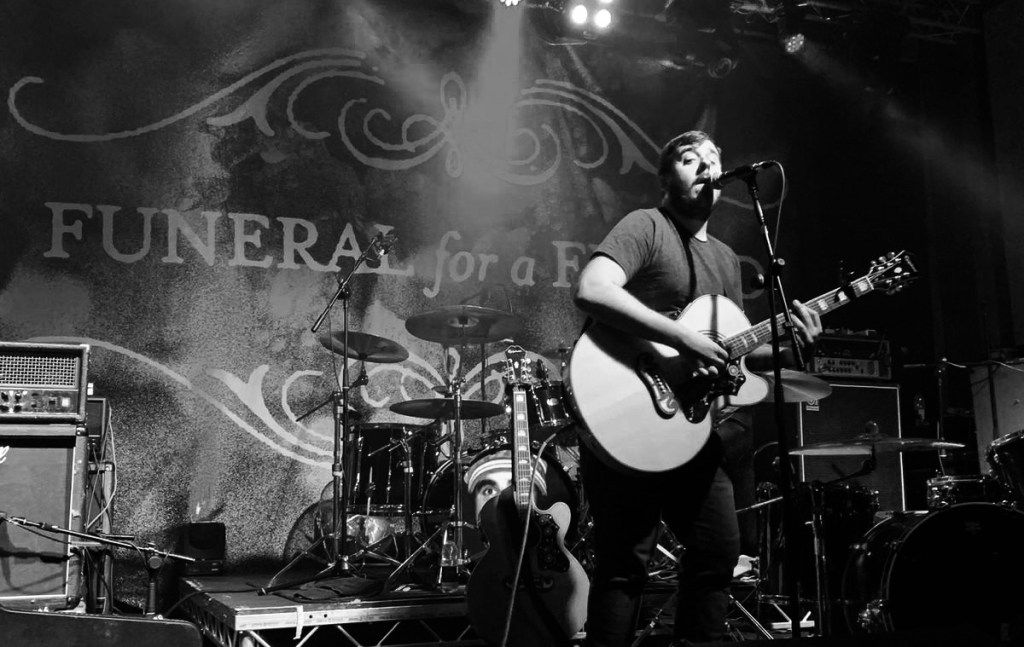
When it comes to work, someone could tell me how to do something and my brain tells me I’m going to fuck it up. With gigging, when I played in support of Funeral For A Friend in front of a sold out crowd, I felt I wasn’t good enough then either.

I just feel I’d waste a doctors time but that’s just me. If you even consider the option seeking help, please go for it. Hopefully one day I can overcome this and love myself a lot more than I do now but sadly I’ve got a long way to go.

Thankfully due to music, I can vent through that and it’s my way of coping. I will get there one day and I’m 100% positive I will, just it’s a bit of a process. At the end of the day, if you want someone to get better, check in on them. I’m lucky to have people to do that for me and it’s essential that we do that for people we care about.

It doesn’t go as far as just telling someone to go to a doctor, you could say that and one day it’ll go in ear then out the other. Even to the point that the person could do something desperate which results in you wondering what you could have done better.

I’ll get there one day but we need to tell people they matter. It’s a fantastic lift in these tough times but my imposter syndrome takes over. People are very stubborn but if we can get over that, it’ll be so much better overall. The same that if the system was a bit better.

We can’t just get off the sofa and get help, it’s not as easy as that. There’s so much more to it and the more we realise this, the better it will be going forward.

I expected an open and honest chat with Kyle but this went beyond what I could have imagined. Prior to our chat, he briefly mentioned to me that he’s had his struggles but it wasn’t until we did this for the blog that I knew his full story.

One of the things I wanted to do with this blog on a personal level is that I’m following a passion by writing, so I can resonate to a small extent with Kyle. His passion is music and I haven’t got a musical bone in my body aside from bad, drunken karaoke. I do love listening to music, and many of the conversations I’ve had with Kyle is about our fave bands, songs and albums.

He’s worked incredibly hard on every single one his projects stemming from his days in Caesars Rome all the way to his current projects. I wish him nothing but the very best going forward with those and even more I wish him good health as he’s a cracking bloke who I’m glad to have gotten to know these past 18 months.

His honesty about mental health is a different spin, something I’ve found through many a person I’ve spoken to for this blog. Not everyone goes through the same journey and ā€œimposter syndromeā€ is something I’m learning more and more about, even to the extent where I’ve noticed it with some of my own traits in behaviour.

The fact he is this open shows his stubbornness and eagerness to not let the negativity win. If he’s as ambitious and driven with music, he’s going to kick ass when it comes to any mental health issues.

Once again, thank you to Kyle for speaking to me. Under his Pay The Man project he has a new single out on Friday 1st April which is called ā€˜Four Dumb Lines’. I’ve heard it and it’s a banger! He’s also made a video which will be released the same day.

I’ll be posting his social media details so keep an eye out for any gigs nearby. Also I’ll post the names of his projects so you can check them out on Spotify, Apple Music or any other main streaming platforms.

Many thanks for reading. Means a lot to me and the people I speak to as their stories are proof that we’re never alone in fighting this battle for mental health. Take care, stay safe and until next time, don’t think of this as a goodbye but more of a see you later!

Kyle’s Social Media Platforms

Facebook – Pay The Man, Icantdie, KD Smith – Cover Artist

Twitter – @KylePayTheMan, @_icantdie, @caesarsrome

#1 – A NEW BEGINNING

It’s been a while hasn’t it? The last time I uploaded a blog post was in March of 2022. About a year later, I decided to step back from it as I’d gone a year without writing anything and felt my passion for writing had gone. 

I remembered a promise I made to myself on the day I uploaded my very first blog entry. What started off as making notes during times where I felt overwhelmed with anxiety and was in a dark place, it turned into sentences, then paragraphs and so on. Writing is something I was passionate about in my school days. Whether it was creatively or on a subject I was interested in, I’d lose myself in it and found a great outlet. 

It returned when I realised how the writing came about by total accident and the idea of blogging came to me quite quickly. However there was one rather major hurdle… My confidence.

Doubts filled my mind, the anxiety was raging but eventually I realised it was a new experience for me and of course the doubts would be there. I had my coping mechanisms so after some breathing exercises and a few instances were I pressed ā€œpostā€ and then undid it, I finally posted it and as they say the rest is history. 

Fast forward to March 2022 and I’d written 44 posts. I’d moved from writing about my own experiences and went on to talk to people who shared their amazing stories. As those 2 years went on, things changed in my personal and professional life which impacted the time I had for the blog. 

In October 2021, me and my then fiancĆ©e moved into our first home and it took a few months to get things sorted where it really felt like our place. From a professional standpoint, I was on furlough during lockdown so had more free time on my hands. I made time for it when I went back to work, using journeys to and from work as well as bits of free time to write or record content for the blog. When the house move happened, that time wasn’t there and with that my passion dwindled.

Going back to the promise I made myself, right at the start I pledged that I would never write for the sake of writing. Putting content out there that didn’t have the right effort, passion and input that someone reading it deserved. As my personal life changed, my professional one did too as I got a new job and that justifiably took my focus as well. 

I wrote a post saying I wouldn’t write for the foreseeable. I do believe in a ā€œnever say neverā€ mindset as if it’s something that brought out a creative outlet and portrays a positive message then why not? So I left it at that and although I still used the instagram page 

In 2024, I thought I was ready to get back on the proverbial horse and even announced it on the instagram page but to say I jumped the gun was a massive understatement. Pretty much as soon as I put that post up, doubts started filling my mind and other factors gradually came into play. 

As you’ve probably guessed already, it takes a lot for me to do something. I always second guess myself and self confidence is pretty low. I guess due to it being so long since I posted anything, a few questions popped into my head. ā€œWill people still read it? ā€œDo they think you’re genuine?ā€ Do they think you’re talking shit?ā€ It got to the point where I was more or less convincing myself to not go back to writing.

I guess that plays into a negative trait of mine where I’ve always felt the need to people please. If someone doesn’t like me or a negative experience happens, I feel I have to go out of my way to be extra nice so having a negative experience like that did make me think ā€œoh maybe this is all a bad idea then?ā€. 

It further fuelled the doubt and in the end I just thought for the time being, I could still share tips and positivity around mental health with the instagram page. Deep down I knew I wasn’t ready and I guessed I was kidding myself a bit. Just when things started to get better within myself, opportunities in my working life occurred as well as something out of my control that impacted one of my loved ones took importance over everything. 

May of 2024 was a rollercoaster of a month. I got a chance to go to Belfast on a work trip. I’d never travelled alone before and although it was daunting going to a new place on my own for a few days, I loved it. There was a time where I’d never have backed myself to do something like that and would have turned the opportunity down. I’m glad I did it and it most certainly was a huge confidence boost to the point where I’d do it again in a heartbeat.

Another opportunity presented itself where I had an opportunity to apply for a promotion. Once again the doubts were in my head where I felt like an imposter and that I didn’t deserve it. I spoke to my manager who pretty much told me that what I was thinking was understandable in terms of doubt/nervousness but I was more than capable of doing the job and without applying, I’d never know. 

Thankfully, it worked out and for the first time in my working life, I backed myself to the point where I got the promotion. Imposter syndrome kicked in again until I felt settled in the job. People told me that I worked hard for it and deserved it, even though I’ve always found it difficult to back myself in those situations, eventually I accepted it.

There was one factor which took massive importance over the others and to say it was personal would be a huge understatement. We always think of our parents of being somewhat superhuman and that nothing can have an impact on them. Around the time I was due to go to Belfast and where I was applying for the promotion, we got the awful news that my Mam had been diagnosed with cancer.

This is something I’m going to write about in more detail but you don’t imagine these sort of scenarios. I just became overcome with so many emotions. Sadness, worry, concern and even anger. I didn’t handle it well but typical of my Mam she kept reassuring me that it was caught early and it was treatable.

As time went on, she had treatment and she fought so much. Seeing such a vibrant, independent person like my mother struggle and hurt so much was heartbreaking. I felt awful for feeling the way I did because I felt I should have been strong and it wasn’t about me. Friends and family members reassured me saying it was ok for me to feel the way I did but typical of me, I sunk lower.

I supported my Mam as much as I could but there was plenty of times where I’d just cry. I’d sit there in my chair and just bawl. My loved ones including my Mam would tell me there’s plenty for me to be looking forward to personally and professionally but for me, until I knew she was ok, I felt like I couldn’t put myself first. 

Eventually I sought out counselling as I confided in my manager at work. I was referred to a programme in work which offers support which helped massively as I got to unload a lot of how I was feeling. The counsellor helped me realise that the guilt I was feeling was normal as I wanted the best for my Mam but at the same time I was allowed to process my emotions too. 

Over time I accepted that and also my Mam’s treatment went on to the point where she’s now more or less in the all clear! She’s getting stronger every day and back to herself which is massive. She showed so much determination and I couldn’t be more proud to be her son. 

2024 definitely had it’s ups and downs. 2025 was a year to look forward to. As my Mam was getting better, it meant the world to me as she got to witness me get married to the love of my life. I’ve mentioned before about how important Rachel has been and I dread to think where I’d be without her. In April of last year, we finally tied the knot with all of our friends and family in attendance.

Again, this is something I’m going to write about in more detail at some point, but as someone who wasn’t used to having the attention on them, I’d go through that day again in a heartbeat. Once Rach walked down the aisle all of my nerves disappeared. Everything felt right in the world and all the pieces of the puzzle felt like they fitted together.

Even the speech went well in the sense that people laughed at my jokes (probably pity but I’m counting it!), people cried at the emotional bits and I held myself together and didn’t crumble. It really was the perfect day where I got to sign the deal on spending the rest of my life with the most beautiful, amazing woman with the people who matter the most to us in attendance.

So, that’s where I am now. I’m married, in a job I enjoy and still an anxious, awkward so and so but I’m gradually accepting myself for who I am. This journey will always be educational. I know every day won’t be fine but it’s important to acknowledge the bad ones, own it and then we go again the next day. 

Coping mechanisms like breathing exercises, note taking, going for a walk, listening to music, watching a film or other means of self care is massive. If you need to call a helpline, speak to a loved one, go online for research or even to the point where you call the doctors, you’re doing the best thing because you are putting yourself first. 

You don’t feel like it at the time but you’re doing the best thing you can do. At the point where you look back later down the line and you think ā€œwow, that was the best thing I could have doneā€, that’s a huge achievement because you’re growing and proving that the darkness doesn’t win. 

Thank you for reading. I know I ramble on so your patience means the world to me. Please take care, stay safe and most importantly, KEEP BEING YOU! 

@mindcharity – 0300 123 3393, http://www.mind.org.uk

@samaritanscharity – 116 123, http://www.samaritans.org

@anxietyukofficial – 03444 775 774, http://www.anxietyuk.org.uk

@papyrus_uk – 0800 068 4141, http://www.papyrus-uk.org

@giveusashoutinsta – Text SHOUT to 85258, giveusashout.org

#MentalHealthMatters #NeverGiveUpšŸ–¤

Chapter 43 – Mental Health Doesn’t Discriminate

I’ve said so often in the near 2 years that I’ve been doing this blog that mental health doesn’t discriminate. It doesn’t pick and choose what person it has an effect on, no matter way of life you lead.

This is a topic that can be very misunderstood and even ridiculed by some parts of the wider community which only stigmatises mental health further. That goes against what so many organisations and advocates are doing as education is key. The more we know and understand, the smaller the stigma becomes.

From a personal level, I’ve learned so much. I’d be a liar if I said that in the past I’ve read a story about a celebrity struggling with mental health and had the attitude of ā€œoh, they have everything? What have they got to be sad about?ā€. Looking back now, of course that wasn’t the way to think and unfortunately I’ve had my own battles in order to come to that mindset.

The way I think about it is this, you wouldn’t say the same thing if a person had a very serious physical illness. A lot of people still see mental illnesses as a ā€œmoodā€ instead of an actual condition that requires treatment. It’s said so often that ā€œmental health is just as important as physical healthā€ and it couldn’t be more true.

Again, from my experiences, I used to tell myself to ā€œsnap out of itā€ but as time grew on I realised it just doesn’t work like that. Eventually, I sought out some help but confiding in my loved ones, went to the doctor and eventually started counselling. The counsellor I spoke to was incredible in helping me understand that ā€œhealthā€ was the key word. By being prescribed tablets, that was to help me along with being encouraged to go out walking and do positive things.

With some physical illnesses, you’re also prescribed tablets or medicines along with being encouraged to be active and try healthier foods. It’s not the doctor trying to be awkward, they’re saying it because it will help you going forward. That comparison was like a light bulb going off in my head and I started seeing it as a health issue instead of me ā€œjust being in a low moodā€.

By understanding what the counsellor was telling me, I also realised that my anxiety and depression were not just ā€œillnessesā€ but it could impact anyone. We all have colds, coughs and headaches and unfortunately so can mental illnesses. It was a bit further on when I started researching and planning for this blog where I found examples of people from all walks of life can be fighting their battles, even those who seem ā€œto have it allā€.

One example which stood out was comedian, writer and one of the most intelligent people I’ve ever come across, Stephen Fry. In 1995, Fry walked out of a stage production in the West End and went missing for several days and he even contemplated suicide. Instead he ā€œdisappearedā€ as he left the UK on ferry and didn’t resurface until some time later in Belgium.

What Fry experienced was a nervous breakdown. Later on he would be diagnosed with cyclothymia, which is a form of bipolar disorder. Fry has since spoken openly about his condition and his experiences, which was featured in the documentary ā€˜Stephen Fry: The Secret Life of the Manic Depressive’. That show was such an eye opener as Fry not only shared his own story but also spoke to other high profile figures like Robbie Williams and the late Carrie Fisher about the condition.

He’s also been honest about the times he’s contemplated suicide, the most recent time being in 2012. Fry was filming abroad and took a huge amount of pills and vodka. In his words he ā€œhad to be brought back to the UK to be looked after.ā€

Fry has since used his experiences to help others in similar situations by becoming involved with the charity, ā€˜Stand To Reason’. This organisation is based in the UK which aims to raise the profile of those struggling with mental health as well as fighting prejudice and to achieve equality. His campaigning has encouraged many to come forward to get much needed help and that for me is incredible.

He’s using his profile to not only educate but to assist those in need. He didn’t have to do that documentary but I’m so grateful that he did. It was so educational and proves once more that anyone can have their struggles, even those who appear ā€œuntouchableā€ to us. I commend any well known figure who comes out and speaks about their mental health. So many people will resonate with it and that for me is what a true role model is.

Look at Joe Marler. He’s a Rugby Union international who’s been given much deserved acclaim for opening up about his struggles. By doing that he’s ignoring the stigma that’s attached to men’s mental health, especially in a sport like rugby. The classic stereotype of a rugby player is that he has to be strong and tough off the pitch as well as on it. However, like the rest of us, they’re also human beings and Marler has come out to emphasise that.

Last year, during Mental Health Awareness Week, Joe Marler fronted his own documentary, ā€˜Big Boys Don’t Cry’ where he traveled around the UK to open up the conversation around mental health challenges, meeting people along the way who are learning to manage their mental wellbeing.

Marler also shared his own experiences and explained how he went to see a psychiatrist, was prescribed medication and decided to be honest so he opened up to his wife and his close friends. This gave them a better understanding to what was going on but at the same time it helped Marler get that weight off his shoulders by confiding in those who matter the most.

He also emphasised that seeking out help is not a quick fix. ā€œIt’s more of a growth thing. I could be on anti-depressants for six months, six years, or the rest of my life. It’s about understanding what they do for me, how they help me and accepting that.”

That for me is once again, a massive boost for anyone in a difficult situation. It’s another massive blow against the stigma as well. So many people will take inspiration from what Marler has done. It’s once again someone in a high profile position giving back and helping inspire people. He doesn’t have to but he has because Joe Marler cares and doesn’t want people to suffer in silence.

Since doing the documentary, he’s gone on to front his own Podcast and still carries on the message that it’s ok to open up about your battles and by being in a so called ā€œmacho environmentā€ by being a Rugby Player there’s absolutely no shame in being upfront about your troubles. He is proof and other players such as Gareth Thomas, Dafydd James, Lloyd Ashley, Tom James and Jonny Wilkinson have also shared their stories to further eliminate the stigma associated with men’s mental health.

Another incredible advocate is Dr Alex George. The ā€œTV Doctorā€ found fame on ā€˜Love Island’ but has since been in the spotlight for a totally different reason. Since February 2021, he has been The UK’s official Youth Mental Health Ambassador where he works directly with the government’s Department of Education. His campaigning began after sadly losing his younger brother Llyr to suicide in July 2020.

In January 2021, Dr George launched a campaign requesting the UK Government prioritise mental health amongst children and adolescents, especially during the COVID-19 pandemic. As a result of his campaigning, he met with Prime Minister Boris Johnson who appointed him as the first ever Youth Mental Health Ambassador.

George also became a member of the Mental Health in Education Action Group. They discuss the best way for children to return to education during the pandemic and ensure they receive the support they need during these challenging times.

The work Dr George has done since is incredible. He’s worked directly with the charity, Children In Need resulting in the much praised documentary ā€˜Our Mental Health Crisis’ where he sheds light on how much attention is required on the ever growing numbers of young people who’re fighting their battles.

Dr George commented on the film by saying, ā€œI am so proud of this film, and the stories that we have been able to tell thanks to the courage of the young people who have so bravely shared their stories. These past 18 months have been incredibly hard, and have impacted the lives of so many children and young people, many of whom have been left feeling sad, anxious and alone, but I hope this film brings hope, and shines a light on the remarkable charities and projects across the UK that are making a difference when it is needed most.ā€

He worked directly with charities and projects like SAFA, The Wave Project and YoungMinds on the film which is still available on BBC iPlayer. After losing his brother, Dr George was inspired to help those in desperate situations by challenging the stigmas as well as seek help from the government to help combat this. There’s so much to do still but there has been great developments since Dr George has started his campaign and deserves massive respect and admiration.

He’s an incredible advocate and I wish him all the best. He’s one of my ā€œdream guestsā€

to interview for this blog as he always speaks so passionately about his work and his goal of helping to tackle these issues.

The examples of these incredible people are proof that you can be from totally different backgrounds, have different ways of life and occupation but still fight your toughest battles. Stephen Fry is a genius and legendary comedy performer but has still had his problems with mental health. Joe Marler has played 72 times for England and been on British and Irish Lions tour in Rugby Union and has sought help for his mental wellbeing.

Dr Alex George went through the pain of losing his brother and honoured his memory by trying to ensure nobody else feels so lonely that desperate measures are taken. It’s these people that inspire me to do this blog and make sure I do the right thing when I feel low.

I’m just a normal guy with a 9-5 job but I have anxiety and depression. If someone who’s a billionaire that seems to have it all also suffers with their mental health then I’m not going to look at them with disdain because I know at the end of the day, they are human. Health can deteriorate in any of us. We can be fine one day and catch a cold the next. The same applies to mental health as we could have a good day then the next isn’t.

I don’t see why we still have to see mental health as something that’s a weakness. Seeking help is not a weakness, if anything it makes us stronger and if a celebrity or high profile figure inspires me to do better by myself than I respect and admire the hell out of them for doing it. If they wanted to do their healing in private, the same respect would go to them because they’re still showing the strength to seek help.

This proves once more that mental health does not discriminate. Anyone of any way of life can be effected. It can have a hold on anyone of us. It just goes to show though what a strong support network can do though doesn’t it? Whether it is a private conversation with a loved one or speaking up publicly, a cry for help is loud enough for someone to notice.

Thank you for reading this post. I hope going forward that the stigmas continue to be pushed further away and there will be less hesitance for people to seek help. Remember that you matter and we’d rather you seek help and still be here with us. I realised that and I don’t want to feel any different ever again so if things do feel that bad for me, I know I’ve got a strong support network.

If things get a bit worse, I know I can speak to someone who’s not a stranger but understands me via the work they do. I’ve posted a few details at the bottom of this post for some mental health organisations who do some incredible work. They offer support, guidance and most importantly understand you.

Take care, stay safe and remember storms don’t last forever. Don’t think of this as a goodbye but more of a see you later!

MIND – 0300 123 3393, http://www.mind.org.uk

Samaritans – 116 123, http://www.samaritans.org

Anxiety UK – 03444 775 774, http://www.anxietyuk.org.uk

Chapter 42 – HOLY SHIT! I’m A Home Owner?!

In many of the posts that I’ve written over the past year or so, I often talk about how reflection is very important. To look back and see how far you’ve come from the low points to where you are now just shows that self belief and strength can go a long way.

As I’ve mentioned before, just over 4 years ago, I was at my lowest and I didn’t value myself, I wasn’t putting my happiness as well as my mental health first. I would binge drink on nights out to block out the negative thoughts, I’d also lie to those closest to me and pretty much hated the person that I was.

It came to a fateful night where it all became too much for me and I simply broke down on a night out. I contemplated doing something stupid but I somehow I found myself opening up to one of my closest and dearest friends. Without doing that, I dread to imagine where I’d be now if it wasn’t for that person because she encouraged me to seek help.

I did seek help, and during that time, by talking to counsellors they encouraged me to put my happiness first. My self worth was so low that I purposely ruined any chance of finding a relationship with anyone. I’d self sabotage any situation which presented that opportunity because I didn’t believe I could be happy and also felt I wasn’t good enough.

By finally talking about this with the counsellor, it felt like a weight was lifted off my shoulders and eventually I felt confident enough to try and find someone. Eventually, I met a girl who is now my fiancƩe. I felt happy and found love. I opened up to her about my struggles and she was understanding and supportive as I knew that being open and honest was the best thing for the both of us.

My mental health has been up and down since then and in late 2018, it went really low again where if it wasn’t for her, I’d have been in a worse place than I was just a year before. It was around Christmas and in the space of a few days I went from feeling on top of the world to rock bottom.

It got so bad that I spent a time contemplating to end it by standing on a bridge but I realised that I’d cause pain for her and my family and friends. She encouraged me to seek help and talk about my issues so I went back to the doctors. This took longer than my first serious battle and I didn’t even go out locally for 6 months. I also deleted my social media accounts and kept a very low profile.

I was out on tablets that I’m still on to this day and I’ve also grown to accept that being on medication isn’t a bad thing. I will happily talk about it as it’s just the same as taking asthma pumps or wearing glasses. They’re prescribed to help me and I will offer support to anyone new to taking medication as well.

As time went on, my confidence returned gradually and I started going out locally. I also spoke openly about my struggles which eventually led to me doing this blog. It was during this time, I realised something that I really wanted to do. The realisation was I wanted to propose. We had a trip to Dublin planned and I knew it would have been perfect as she loves that place.

I put the plan in motion by buying a ring and asking her parents for permission. Of course it was granted and everything was in place. I planned on popping the question on our first night in Dublin and unlike other situations where my anxiety would set in, I didn’t feel nervous but instead I was excited. I couldn’t wait for it.

We went out for a meal and went for a walk by the canal and I didn’t dither ask I got down on one knee and asked her to marry me. She of course said yes and to this day it’s the best moment of my life.

About an hour after I proposed, I was waiting to be served in a bar and I had a moment of reflection. I realised just how far I’ve come. I went from breaking down to one of my best friends whilst on a night out and feeling like there was no way back. Fast forward to that moment and I was with a girl who loves me and wants to spend the rest of her lift with me. Things don’t get much better than that.

A few weeks after returning from our trip, we started the journey to become home owners. At the time we didn’t realise just how long it would take but we went to the bank and set up our Help To Buy ISA’s which was a massive boost. It’s a government scheme designed to help you save for a mortgage deposit to buy a home. To qualify you must be a first time buyer and that was perfect for me and my fiancĆ©e.

The pandemic certainly had an impact on our plans as we went the best part of 10 weeks without seeing each other and it made us more determined to find a house together. We started saving more and started looking at houses on the internet.

By March of this year, we had enough saved for a deposit and consulted with a mortgage advisor and knew then that we were ready to start viewing houses. We looked at a couple where we put offers in and were disappointed as our offers weren’t accepted. To our detriment, it’s a very difficult time to buy a house as there’s so many others in the market.

Some were even putting offers on houses without even looking at them which was so frustrating for us. If anything it spurred us on even more and we came across a house just when we needed a bit of luck to come our way. The house in question is the one that is now ours and when I say we were lucky, we really were. We happened to be the first people to view it and apart from a few quirks, we fell in love with it.

It had been renovated by a developer who purchased it as a ā€œfixer upperā€ to then sell on. The work hadn’t been completed but the majority of it had and we couldn’t believe our luck. We immediately put an offer in after the viewing and a few mins after getting home, we had a call from the estate agent to say that it had been accepted! We were over the moon but knew the real work and stress was yet to come.

Of course we had to arrange a mortgage. We had a mortgage in principal with the advisor in place to show we had funds available for a deposit but the actual application to get an actual mortgage in place had begun. We also got ourselves a solicitor which my fiancƩe sorted as there was a local one that her family used in the past.

The process took a bit longer than we thought and there was one or two instances where I thought it was going to fall apart. One instance was that the mortgage lender that was processing the application, wanted to inspect the property to ensure the amount that we agreed on for the purchase of the house was sufficient enough for them to lend us that amount of money.

They found that the property was overpriced and valued it a few thousand pounds cheaper than what was agreed. This immediately sent me into a worry and I did have an anxiety attack as like many situations, I thought of the worst case scenario. I thought was all going to fall apart but my fiancƩe reassured me and once I calmed down via some breathing exercises, I started thinking logically.

We explained to the situation to the estate agent and advised that we couldn’t make up the few thousand that the seller wanted but we were committed to that house and weren’t looking at any more houses. Also, in comparison to other properties in the area, our house was overpriced and our mortgage advisor had the information to back that up.

Thankfully it fell in our favour as the seller agreed to sell it for the price that was deemed appropriate by the survey. That meant the purchase was back on but there were a few others bumps along the road before the house was ours. Frustration was a common theme along with uncertainty and anxiety as time went on.

As previously mentioned, the seller bought the house as a ā€œfixer upperā€ to then sell on so we were promised a lot of work was to be completed before everything was finalised. They were very keen for us to sign and get things pushed over the line as soon as possible but we were given assurances that the work would be completed first.

For example, when we first viewed the house there was a huge mess in the garden with building materials/supplies as work was still ongoing. Promises were made to finish the work as soon as possible as well as clean the mess. A particular promise was an eyesore of an old shed would be knocked down to be turned into hard standing for off-road parking at the rear of the house.

What the developer didn’t realise was that my fiancĆ©e lived with her parents quite literally down the road. So when we were contacted by the developer’s solicitors asking why haven’t we signed, we kept reminding them about the promises that were made.

Just seemed like there was some hurdles constantly being thrown in front of us and it played hell with my anxiety. I’d gone a few months without an anxiety attack and one night I woke up in the middle of the night with a massive one. It felt like the world was closing in around me and someone was gripping my chest. Honestly, it was the worst one I’ve had since I had really bad episode at the end of 2018.

At that point, I knew I needed to step up in some aspects. I spoke to Anxiety UK and the advisor spent a few hours to reassure me and pointed me to some great coping techniques. I started breathing exercises again, something I hadn’t done in a while but I still do now because it’s such a great calming technique.

Another one was countdowns like 5 things you can see, 4 things you can hear etc. It really gives me a sense of concentration away from the anxious moment and brings me back down to a calmer frame of mind. It’s simple techniques but they make a massive difference.

I also had a couple of days away with my fiancĆ©e. Due to COVID restrictions, our holiday to Cyprus got postponed but instead we booked a little staycation to Tenby. I hadn’t been there in years and it made a hell of a difference. The sea air, change of scenery and a chilled atmosphere gave me a massive lift. It gave a sense of clarity to get some shit sorted and most importantly helped me have a calmer state of mind.

When we get back I was even more determined to get this house sale sorted. Thankfully, the seller sorted out what we wanted done and we signed for the house in September. Just like that, I was co-owning a house with my fiancĆ©e. It took a few minutes to hit home but I then thought about how far I’d come in a couple of years. I’d gone from considering ending it all by standing on a bypass bridge to feeling more happy than I’d ever have been in my life.

I’d gone in the space of just under 4 years from feeling the loneliest I’ve ever felt. Self sabotaging any chance of happiness because I didn’t feel good enough. Hurting people that cared because I didn’t feel worthy to be cared about to finally seeking help and eventually standing up and putting myself first.

Meeting the most amazing, supportive and loving woman who would then say yes when I popped the question. The next chapter was in full swing, we were home owners! We knew the real hard work was about to begin but came about rather quickly. Albeit with delays, we got our furniture set and our bed. Most importantly (jokes), the TV was sorted along with Sky TV/broadband!

When a few things were sorted we decided to move in at the beginning of November. We didn’t have the sofas for a couple of weeks so it was camping chairs for a little while. Now I have my chair to sit in (yes, it’s MY CHAIR!) and the house is gradually coming along and becoming our home. I’ve been told quite often that ā€œthere’s always something to doā€, and we’ve got plenty to sort out but we’re happy and settling in nicely.

Of course, it was emotional leaving my parents. I’d only ever lived in the same house for the entirety of my 30 years on this earth. I cried a bit after my parents left the house after helping me move my things. For a couple of days it was a case where I cried a few more times but it wasn’t because I felt bad, it was a new chapter in my life and a big change.

I saw it that way and the more things we added in terms of a lick of paint, more furniture etc, the more we felt at home. Like I said before, I’m happy. In fact it’s the happiest I’ve ever been and although I’ve had the odd bad day, I know that I’m in a great position in terms of a support network. I’m also finally doing grown up things at the age of 30 like buying a house but it’s an exciting prospect. The bill paying is annoying but that’s life eh?

I took a further plunge into serious adulthood for 2022 as I recently passed my driving theory. I’ve always held it off as I thought very anxious about driving. Going back to my dyspraxia, I was worried about my hand coordination and my confidence was really not high enough to go down the driving route.

Enough was enough so I put the revision in and even though it was a bit of a stressful time, I passed and now the real work begins with driving lessons. I’m not one for pressuring myself with New Years resolutions but I have promised to put sort myself out a bit. I did have a bit of a low point but put it down to January blues. This time of year is challenging for so many people but I did speak to my fiancĆ©e as well as some close friends who helped massively.

The last week or so, I’ve felt like me. When I say that, nearly back to my best. I’m cracking shit jokes, I’m enjoying listening to music, I’m meeting with friends soon for a night out and planning to go to some gigs. I’ve got so much planned for this year in terms of trips away, gigs, stuff for the house and of course blog stuff.

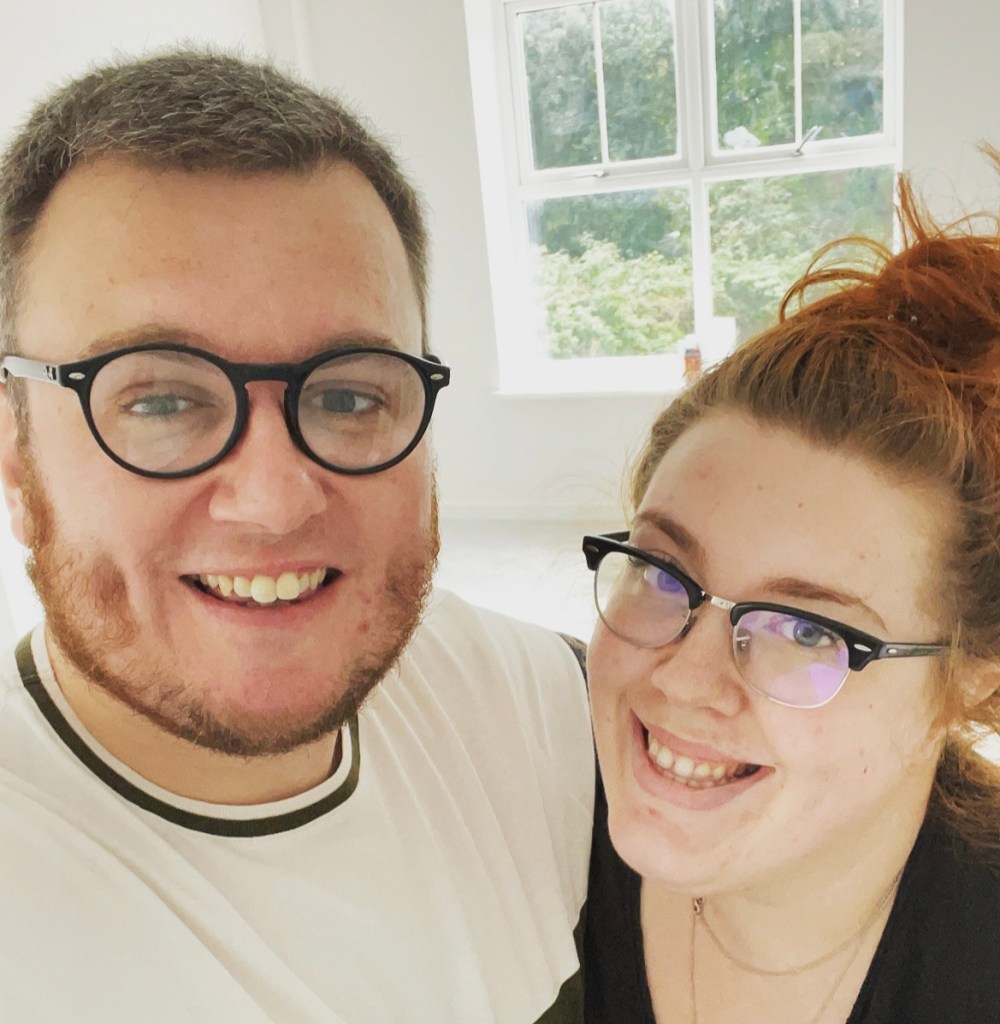
This is the start of a busy yet creative time for me. I’m happy with my life for the first time in years. I’ve got a future, something I can be proud of and a loving fiancĆ©e. In fact, she’s actually in the picture I’ve posted with this blog entry. Ain’t she pretty folks?

Things are looking up but I know I can bounce back from the bad days. Doing this blog and reflecting is a huge thing for a me and I still want to help people in difficult situations.

I’ve had people message me thanking me for doing this. Compliments have always been something I’ve struggled with but I just want people to come away with a positive mindset, knowing that help is out there and asking for it isn’t a bad thing. Please, do the right thing as we’d rather you be here and get healthy than not be here at all.

It’s a cliche but storms don’t last forever. We’ll get through this together and the stigmas are getting smaller by the day. Please take care, stay safe and until next time don’t see this as a goodbye but more of a see you later!

Chapter 41 – Lloyd Ashley

In nearly every single one of the previous 40 blog posts that’s been written, I’ve reiterated that mental health does not discriminate. It simply doesn’t matter what way of life you live, where you’re from or what you do, our well-being can be effected.

Anyone can have their dark periods as the key word involved is HEALTH. It’s just as important to look after ourselves mentally as it is physically. The more we talk about it, the less stigmatised this important topic will become.

The person I’ve spoken to for this blog post realises just how important it is to look after ourselves as well as to keep checking in on our family, friends, colleagues and anyone else who’s in close proximity. He also understands that mental health can have an impact on any one of us, regardless of our status.

Lloyd Ashley is a professional rugby player and has played for the Welsh Regional team, Ospreys for more than a decade. He has since surpassed over 100 League appearances since coming through their academy.

In April 2020, Lloyd launched his own company named ā€˜Living Well With Lloyd Ashley’ which specialises in motivational speaking surrounding wellbeing, of which mental health is a very important part. The company offers support and guidance for schools, colleges, companies and other organisations.

Lloyd is also an ambassador for the Mental Health charity Hafal. He’s also undertaken a course in counselling, as well as completing a course in lecturing. All of these skills have helped guide Lloyd on his personal and professional journey, showing that he’s a fantastic advocate for mental health and that his interest and passion for the cause goes beyond sport, but to anyone in their day to day lives.

I was very grateful that he took time out of his busy schedule to talk to me about what inspired him to set up his company and what mental health means to him on a personal level.

What inspired you to set up ā€˜Living Well…’ and what are the main things that you’ve learned from it so far?

I think there’s a few different things that have inspired to set up the business. The fact that suicide rates here in the UK are so high is one important factor. Also, from an awareness point of view, I feel that we don’t do a lot of education around mental health.

Checking in on each other as men was a massive part as the stigma which surrounds male mental health is a major issue and was something I wanted to address. These are huge points that I took on board when I started the initial steps in what led to becoming ā€˜Living Well’ and there were so many avenues which helped me along the way in starting it up.

I already had a schools program that was running and it was based around healthy living. I was doing that in primary schools but was more based around eating good food and enjoying sport together. It was during these sessions that I noticed that people doing stuff together often brings them happiness.

On the flip side, a lot of times we’re made to feel isolated in these situations when we’re never really meant to be. That education around helping children understand that playing together and having that welcoming and less isolated environment would only be a good thing. It’s good to teach that to 10 or 11 year olds as they’re in the basis of forging their development and skills around relationships.

I also liked to work with 16 to 18 year young men as they were another target audience with my courses. That age bracket is also a huge changing point in your life as well so it was something I took on board early on. With the education I had from being in a team environment with rugby, along with what I’ve learned doing an introduction to counselling course as well as doing my lecturing qualification, I wondered how I could put those together to be an ambassador for mental health?

I’ve also been an ambassador for Hafal, the Welsh Mental Health Charity for about 2 years. Whilst being in that role, I realised that ignorance is bliss and you don’t really know what’s going on around you until you take time to stop and take notice. Doing that introduction to counselling course, I found that we’re not asking enough open questions or giving people enough time.

To summarise, there wasn’t enough support to help people to be honest about mental health. All of these factors were very important to me when I started to set up ā€˜Living Well’ and I continue to implement them as the business grows. I became a lead for mental health and wellbeing in the Welsh Rugby Players’ Association shortly after setting the business up, so that helped me set up awareness and support programs in academy systems.

That was a very important aim for me to get that educational aspect set up. Also, I wanted to get the schools program set up as soon as possible in as many of them that would allow me to come and talk to the kids. Aside from that I wanted to get out there and speak to organisations, clubs and businesses to speak about mental health.

By speaking to all of these sectors, I want to highlight how we can start the conversation and not take a backwards step as soon as someone brings up mental health, which a lot of us do. It’s not something that happens if we’re in crisis, it’s with us every day and we have to look after ourselves. We need to learn not to avoid asking questions and to not live in fear of asking the wrong questions is the biggest education you can have.

People will realise that you’re there to support them and the more we open up these conversations, the less vulnerable a lot of us will feel. It’s ok to speak as men, don’t avoid the questions and being a professional rugby player has most definitely raised my awareness and taught me a lot over the last 10 years.

Being around people from cultures and backgrounds is a fantastic learning experience as it opens your eyes to so many different personalities. That experience of understanding these people has been massive for me. Showing that I’m not that stereotypical view of a man who’s 6 ft 5 and a rugby player who instead speaks out and is very open about things will help and getting that message across is essential.

We’re all going to have different struggles, but the raw emotions behind them are similar and that’s the meaning behind it. We all have our struggles and it doesn’t matter what we do for a living or where we’re from, mental health can impact anyone. We want to be loved, supported and have stability, sadly without that, the sliding scale of poor mental health starts and it ends up in bad and even sadly, some tragic cases.

That understanding of feeling low might not be clinical depression but a poor mental health period. If we do look after ourselves more and take control, we don’t have to reach crisis point and seek diagnosis. Spotting the signs early and implanting self care is important but if it does reach that level, it’s important that we realise that getting help is the best thing for us.

By what means of support and awareness does the organisation offer?

The main programs are based around me being a first aider for mental health. I can instruct courses up to level 3 which means by going to a business or organisation, I can lead a course based on mental wellbeing and awareness.

My main schools program is called a ā€˜Resilience Program’. It’s based around mental health awareness for 16-18 year olds to try and introduce them to a suitable and understanding environment for these young people. We talk about what causes a bad day and how you can bounce back from it in a healthy way whether we know if it’s support there.

Starting the conversation and just reassuring them that talking about mental health is another key aspect that we talk about in these workshops. If the bad feelings last more than a few days and it does go out of our control, we raise awareness that by reaching out for help will only be a good thing.

Theres plenty of reasons as to why we’re in this difficult position and we try to help these young people understand that it’s ok to talk about it. Supporting each other is key at the end of the day but also making sure we’re comfortable to start the conversation.

A lot of the stuff I post on Instagram is based on the support that’s available. The points that I mostly highlight are the understanding that mental health can impact anyone as well as offering guidance on how to start a conversation about it. I put a lot of business stuff up there like what events and activities we have coming up but it’s also a key area to highlight just what and how you can gain in terms of support for your mental wellbeing.

Whether it’s 24/7 support like Samaritans, Calm or even to the point of if you need to contract the emergency services. Suicide awareness is something we address and from a social media point of view, people access it multiple times a day. So if you’re in a bad mindset and see a post where you can access the means of support that’s on offer and realise that making a phone call or going to your GP will make a difference then that’s massive for that person.

For businesses, schools and other organisations, the main aim is to get the word out. As much as I love the instructor part of the role, we do like to mention that the conversation doesn’t have to started by someone with a qualification.

If it’s the fact you want accreditation or a culture change, from an organisation point of view we talk about just how there’s a line between ticking a few boxes to get a certificate and feeling passionate to create a more welcoming and understanding environment towards mental health.

I love going to schools where they say, ā€œthis class won’t talk to youā€, but by the end of the session the teacher is amazed as we’ve managed to engage the pupils into a conversation. We’re not judgmental, I’m not a teacher that’s there everyday and we give them the space they need to take part in a confidential conversation.

Understanding different personalities and people you’re not familiar with is a massively important part. It’s difficult to establish trust, especially with someone you don’t know and are meeting for the first time. As long as you encourage the person in a polite, calm way, give them space and understand them, that rapport will be massive to help them.

What would you say is most misunderstood about being a professional rugby player?

The first thing I’d say is that a lot of people don’t really understand that it’s a full time job. People do say things like ā€œwhat else do you do for a living?ā€ That’s something that from a basic point of view that can be frustrating to a rugby player but there’s other factors that are also misunderstood about what we do.

One thing that people don’t see the mental toll on is how we cope with injuries. The attitudes we face are opinions like ā€œyou still get paid so don’t worry about itā€. That’s all good and well but if it’s a long term injury, it may hinder my chances of getting another contract. Even to a worse extent, the injury could be career ending and I may never play again.

That’s a really tough experience to go through, and people from afar don’t really understand what we go through not just in a physical aspect but mentally as well. In my case, I’ve got a wife, children and a mortgage to pay. You also sacrifice a lot of qualifications that some of your friends will achieve because you start as a professional player from a young age.

Short term contracts is also a big worry at times as having that rolling one or two year option is daunting. It could mean that the next deal you’re offered would force you to relocate to another country or another surrounding that’s not familiar to you or your family. I’ve been lucky enough to have been at the Ospreys since the under 16’s and I’ve just turned 30 so it’s been familiar surroundings for me over a long period which I’m very grateful for.

I’d be lying if I said I haven’t felt worried during that time due to the injuries I’ve had or conversations about my performance when I haven’t played that well. There’s lots of things that go on behind the scenes which would contribute towards decisions that can result in your contract not being renewed so anything can happen in that aspect.

You realise that it’s a hard chat to have with your wife when you go home and say ā€œI’m not sure if I’m going to be there next season.ā€ Those things make you realise that it’s not just playing rugby, it’s your livelihood and how you support your family that’s on the line. A huge part of your life is being see for what you are on the pitch as a professional rugby player. They don’t see what goes on behind the scenes and that we have the same worries and insecurities as anyone else.

Trying to keep our family happy and paying bills is important to anyone in any working environment including a professional sportsperson. Obviously other factors that hinder us are selection and winning/losing. In very few other jobs do you go in and hope to be selected for the weekend’s game. If you don’t get picked you still have to train hard even though you’re not playing on the weekend.

You still have to give 100% to do what you’re signed to do as a professional player. Winning and losing is a massive thing. If you win, you come in the following Monday after the game with a smile on your face. On the flip side, if you lose, the mood is somber and quieter. It changes completely and have to bounce back as in any sport, the aim is to win.

You’ll your highs, lows and periods where you’ll win loads of games on the bounce or go through a stage where you’re not winning. Season before last we only won 2 games all season which of course was really tough on us as players as we set out to win every game we play. It’s hard for fans, players and everyone involved with the team.

I remember sitting there and saying that I don’t know what else we could do. It wasn’t a case that we were playing badly, we were just falling short at the end of games. It’s definitely not effort based and there were a few games that we lost via a last minute penalty or rallied at the end and finished a few points from a win. It’s tough and you still come in with the same pain levels as your body’s hurting. You haven’t got the smile on your face and it takes a toll.

Do you feel there’s a mentality shift in men’s rugby, resulting in the ā€œrugby boyā€ persona being phased out?

I don’t think that just in rugby, but the stigma surrounding men’s mental health as a whole is changing. For me personally, we’re in a position where a lot of us are supporting this movement where we should be speaking about mental health.

On the flip side of that point, I still don’t feel that it’s talked about enough. We’re in that point where we’re being more encouraging with our friends and family to talk about mental health. There’s still examples where someone doesn’t talk about it and unfortunately it reaches crisis point but if one of our closest people are struggling, we’re no longer saying things like ā€œman upā€.

That just gives in to the stigma and we’re a fair way from where the stigma was a few years ago where it was less common for men to open up. However, from an educational and understanding point of view, I don’t think we’re quite there yet from a male standpoint. In terms of learning to express your emotions in a healthy way is still quite alien to a lot of men.

Unfortunately there’s still a lot of us out there who don’t choose to speak up and suffer in silence to the point where they reach crisis point. I do think the stigma’s changing in and out of rugby and players are understanding that they can be their own person with their thoughts and feelings.

Personal stories are more widespread as more people outside of the game know that we have lives off the pitch. Slowly they’re starting to understand that they’re not ā€œsuperheroesā€ where they’re seen as these galactic, hard as nails figures and that we’re allowed express ourselves about how we’re feeling.

I do also think that as rugby players, we have to deal with the pain of physical injuries but also the mental effects can take its toll as well. Sometimes it goes too far to deal with the emotional aspects of that situation. We need to understand that more in order to progress even further.

The likes of Gareth Thomas, Dan Biggar and Joe Marler are just some examples of professional rugby players being very open about their struggles with mental health relating to both their professional and personal lives. Also from Rugby League, Danny Scunthorpe and Stevie Ward have been speaking up about the effects of depression and going tough times when you’re seen as being ā€œfineā€.

Going back to Rugby Union, from a local point of view here in South Wales, Tom James deserves a lot of credit for being so open about his battles with anxiety and depression throughout his career. The honesty is commendable and will be an encouragement to so many others in a similar situation.

Scott Baldwin has been open about the effects of a gambling addiction which of course would impact your mental health. The outcome of that is fantastic because they’re showing strength in confronting their demons but also showing solidarity in being open and getting the help to overcome it.

I remember when I was early on in my career, I went on to do a plumbing qualification. It gave me such an eye opening experience and it also helped me appreciate just how hard these tradesmen work. Some of them are literally a one man band who work in isolated and stressful environments.

To have a core environment in rugby where there’s a support network in regards to teammates, coaches and anyone else involved in the club or region is massive. If I didn’t go down that road of the plumbing qualification, I wouldn’t have learned some important lessons like resilience. My biggest lesson from that was accidentally putting my foot through a ceiling and realising that I had to go back the next week.

My boss said that if I turned up the next week, it would have showed that I did a good job. Not everyone would show up and there were opportunities where I felt like not answering his calls and not turning up due to what happened. I thought that I was going to get absolutely rinsed for the accident but to be fair to him, I got in the fan and he told me that the ceiling was fixed, everything was fine and I was to crack on as normal.

You play a story in your head in these situations like you turn up and expect to see a load of workmen there just waiting to laugh at you. You dread about what’s going to happen and more doubts and negative thinking occurs as a result. Once I knew that wasn’t the case, it was a massive boost and it was an realisation that I love working with people, building relationships in and out of work and also that everyone will fuck up at some point.

It’s human nature to make a mistake and I didn’t do it on purpose. It was a clumsy error and kind of helped me realise that plumbing wasn’t for me to be honest! I still see me boss from time to time as he’s done some work in my home and we always have a little laugh about it from time to time. If he has one of his current apprentices he’ll tell them ā€œdon’t be as clumsy as this guyā€.

You just have a laugh as we both know mistakes can happen and that it’s character building to bounce back from it.

How difficult is it from a mental standpoint to come back from injury, and what coping mechanisms do you use to help you through it?

It is really tough and a lot of things come into your thought patterns. Of course you’re in pain so that’s in the forefront. Also, the realisation that you’re going to be out of action for a lengthy period of time and the uncertainty surrounding whether a long term injury might be career ending.

Those initial worries are huge and do cause a lot of stressful and uncertain thinking. Thankfully, I’ve been in a position where I’ve been at the Ospreys from day one and the medical team are supportive as well as incredible at what they do. I’ve had plenty of clarity from them when I’ve been injured so they’ve explained exactly what’s going on during the different periods of my recovery.

In a rugby team, there’s normally other boys injured at the same time as you. Therefore there’s a group understanding about what we’re going through and we do it together like teammates should. Early on in my career, I had a couple of difficult years where I just couldn’t put more than 5/6 games together without being struck down by an injury and/or needing an operation of some kind.

I must have had 4 or 5 operations over a 3 year period and that just throws so many thoughts around in your head. I went through a time where I doubted whether my body could cope with it any longer and whether I could make it through.

My wife was working as an A&E nurse at the time and I’d be at home in pain and complaining about my knee. She would be coming home from a night shift and would tell me about all the stuff she’d seen. That would make me think that a bit of pain in my knee was nothing in comparison to that so I’d better crack on with this! It was my grounding period so I was lucky in that aspect.

I’ve been lucky to have friends away from the world of rugby and after asking how’s my knee, they’re straight into ripping into me and we’re bantering as if we were 16 again. You’re having fun with them in a comfortable environment so a great coping mechanism for me is having stuff away from rugby via your family and friends.

What I mentioned earlier about plumbing falls into that category as well. Plus, my school’s program in place and going to do a Leadership In Management course was massive for me. It’s really important to me in order to have something to switch off from rugby and direct my attention on. Even if it’s just once a week, it’s massive and can help me in times where I’m out injured, going through a tough time on the pitch and even if things are going well rugby wise. It’s really good to have those outlets.

Having friends and family around is important and early on in my career I realised that you have to look after yourself. That and having a life away from the game. When I’ve been out injured and on crutches I’ve pushed myself to go out for some food because I don’t want to feel isolated by staying in all the time. It would make me feel better instantly because it’s a change of scenery and I’m not dwelling on the injury.

In the physio room, if someone asks if you’re alright and you reply with a yes, when in fact you’re not is noticeable. Whether it’s a bad day or your rehab is not going well due to the pain of the injury, that’s not moaning it’s being honest so that’s encouraged.

If you’ve had an op on your knee, you’re asked ā€œhow’s the knee?ā€ a lot and sometimes you don’t feel like answering. It’s nothing against the person asking as they’re genuinely asking about you. You can be honest about it instead of just sugar coating it by saying ā€œyeah it’s fineā€. Also the understanding about whether they’re genuinely asking you and want to speak about it or if they’re just saying it without a phone in their hand is noticeable as well.

Having a support system out of rugby is massive for me. Also, having the knowhow to assess where you are a few weeks into the injury is important. Rugby wise, I look into what I can improve on as I’ve felt I have always struggled with the skills aspect of the game. If it’s a lower limb injury, as well as working on my strength, during my recover I will work on my passing and other skills which will be improved by the time I get back on the pitch for a game.

How can I come back a little better and the negatives are more in the background. Building on what you already had means you progress but it is a hard process as well. You’re already down on yourself wondering if it’s your fault that you’re injured and the negativity will take over for a period. Going to the coaches for advice is massive and having a sports psychologist at the Ospreys has been incredible during those tough times as well.

Our representative from The Welsh Rugby Players Association, Tim Jones is outstanding. Whether it was a lift to training for physio or just a chat, he was there for you and I’m so grateful for that. He’d ask what else can we do to be productive in and out of rugby. It’s just so important to have that support network along with your own resilience to get through it.

To dig in and make sure you get your rehab in to ensure you come back to the best your ability shows a lot of character. Fair play to any rugby player or anyone else in any similar situation as well.

Why do you think that there is such a stigma associated with mental health, and what changes towards it would you like to see?

I’ll start with the changes and the biggest one that needs to be implemented for me is that we just ask people ā€œhow are you?ā€ without focusing the question on mental health. We say about your physical injuries and ailments but not so much the mental side of our wellbeing.

When you’re asked by people as to how you’re doing, we should be able to be honest. Generally we’re saying that we’re doing ok and that which of course in a lot of instances, we’re not. If you mention that you’re feeling great, family and work is going well and you’re overall in a good place is a different and more open answer which would engage a conversation further.

Even to the point where someone asks us, ā€œI hear you’ve been struggling. Hope you’re ok?ā€ or ā€œif you ever need to talk, I’m hereā€. Checking in with people is massive and the overall aim as it’s more to us than just asking if we’re ok physically. Mental health is key because the second word, ā€œhealthā€ is vital to how we cope and live every day. It’s just as important as physical health.

Generally wanting to know about a person’s well being because you care will go a long way with the person you’re asking. It doesn’t matter if it’s a friend, colleague or family member, engaging with that person will do them the world of good and also help to eliminate that stigma.

The reason why I think there is a stigma is that it’s been built up in our vocabulary and mannerisms over the years. One of the classic examples of this, especially in rugby is ā€œoh come on. Big boys don’t cryā€. I’ve heard that from a young age but what if the pain or distress isn’t physical but it’s emotional? Should we not cry despite the way we’re feeling?

We have things like that in our terminology but I also think that by going back even further in time, men were always seen as the provider. They were seen as being the one who had to put the food on the table, earn the money and show strength as well as solidarity whilst doing it. How can you say to that man that you can do it but be honest about how you’re feeling? He’s wouldn’t have said that he’s struggling, hates his job but has to support his family.

From a economical point of view, since then we’re encouraged to be a lot more open about these kinds of things and if you’re struggling in work, there are support and guidance for people in these situations. Health is important along with your happiness. Statistics show that if you’re not happy, you’re more likely to have experiences with a mental illness.

Years ago, we sent men to war. You couldn’t go and talk to someone about what you experienced even though friends and family members lost their lives during that time. We are bad for views that ā€œbig boys don’t cryā€ as I think that we should. We’re all human and should be able to process our emotions without being judged or even ridiculed for it.

If you do cry, there’s more balance and you get to let a load off. There’s a lack of education as to how men show their emotions. In the past there’s plenty of examples where men have unleashed their emotions through aggression and combat sports. If you haven’t got that outlet to vent, what else could you do? Whether it’s MMA,

boxing, wrestling or other outlets, they can help but what about talking about it?

From a young age that’s how we’ve done it but I would like to see more awareness about how there’s other ways of getting rid of frustration. We should be able to talk and say yes, I am frustrated and struggling with this. We don’t have to go out and do something physical, although it does help but it won’t always be the answer.

I’d love to see more education on that topic and highlighting that going for a walk or talking instead of doing something 100% aggressive. That’s why I think there’s a stigma and the more its addressed, the more open conversations we’ll have and the suicide rates will fall.

I hope by doing this the number of people who fall into crisis point will decrease and also going to therapy or having medical support will continue to be highlighted as showing strength instead of weakness. We don’t have to deal with everything on our own which is a bad way to look at it. If you have a bard leg, you’ll see the doctor but you wouldn’t if you’re feeling anxious, depressed or any other means of where your mental health is being affected.

It might not be therapy that will help you, there’s so many avenues of support these days and hopefully as men, we can realise that mental health doesn’t discriminate. It can have an impact on anyone regardless of gender, background etc.

For most people it will take one big and open conversation. Afterwards it’s huge as to how much better it will make you feel. It’s not easy to just jump in as trust is huge and this isn’t something you’d normally talk about either. That first conversation is massive, sadly it comes at times of crisis but venting in a controlled environment is countering the means of going down the path where you feel you can’t open up.

It’s so hard to see so many young men, who’ve felt the only answer is to take their own life during these tough times. Through conversations I’ve had with rugby clubs and other similar organisations, it’s just heartbreaking to see how many men have been lost. My conversations with the WRU, WRPA and clubs will hopefully spur more awareness and change to help shift the statistics around and less of us are choosing this route.

What would you say to someone who is struggling and doesn’t know if talking about it is the right thing to do?

I don’t think there’s any perfect scenario to answer this question as there’s so many different circumstances and situations. The one thing I would do is try and create a safe place around the person. By doing this, I’d be showing it would be non judgemental and confidential in regards to what they’d tell me.

Letting them know I’m there and they’re allowed to tell me how I feel is another key element. Also, making them aware that there’s been times where I’ve been in a similar situation myself and that talking about it was the best thing I could have done.

The biggest thing anybody can have is support around them with someone who’s genuinely showing that they care instead of sitting there looking at their phone. Also noticing in a group environment that someone isn’t themselves, and taking them aside for a one to one chat is huge instead of calling them out in front of everyone as it shows you care.

For me, it’s just asking an open question with genuine care and intent to look out for another person. By doing this, it means you’ve noticed changes in that person’s behaviour and that they’re avoiding social occasions or a conversation. Even buying a coffee for that person is massive and by ensuring it’s a safe environment goes a long way.

Don’t be that person that just says it for the sake of it, if you offer support do it because you care and want the other person to be better off for talking to you. The hardest thing to do is open up in times of struggle so by saying something like, ā€œif you need anything, ring me but I’ll message you anywaysā€.

That goes such a long way because it simply shows you have that person in your thoughts. By telling them that they’re being supported and giving them time when they feel they have nothing will mean so much in the long run.

Going by the incredible work he’s done with ā€˜Living Well…’ as well as his own experiences, it’s more than fair to say that Lloyd is an incredible advocate for mental health. Not only has he put in the work taking courses in lecturing and counselling, he understands the key elements which is essential in helping us through these difficult times.

When I’ve gone through tough periods with my mental health, the best help was open conversations in safe environments. Whether it was a professional like a doctor, a counsellor or someone close to me like a friend or family member, it’s been massive. That ā€œsafe placeā€ can give you that feeling you’ve been longing for by telling someone just how much you’re struggling. By doing this, it would go as far as saving your life.

Lloyd has also understood that toxic environments like enforced masculinity is a massive part of the stigma that still has a hold on men’s mental health. Being in an environment where he’s a professional rugby player, he’s seen first hand just how detrimental that can be. By being a representative for the Welsh Rugby Player’s Association, as well as his conversations with the WRU and rugby clubs, those stigmas continue to be minimised.

The more we talk, the less this stigma will have a hold over us. I commend Lloyd for the work he’s done and continues to do as it’s amazing how he manages to juggle it in between his home life, as well as his training schedule and life on the road as a professional rugby player. I’ll post some links and info for ā€˜Living Well’ at the bottom of this post.

A massive thanks goes to Lloyd for taking the time out of his busy schedule to talk to me. I wish him nothing but the very best as the business goes forward. So many people in of all ages and backgrounds will benefit from the incredible work that that he does and is another means of showing we’re not along in this battle.

Good luck to him and the rest of the Ospreys squad ahead of the new season, I hope to see them in action as COVID has put a hold on that since last year.

Also as always, thank you to everyone who has taken time out of their day to read this. It means the world and shows we’re all in this together. If you ever need to chat, my DM’s are open on all the social media platforms I have which supports this blog.

Take care, stay safe and until next time, don’t think of this as a goodbye but more of a see you later!

Lloyd Ashley/Living Well

Twitter – @lloydashley91

Instagram – @livingwellwithlloydashley

Linked Inwww.linkedin.com/in/lloyd-ashley-living-well

Hafal

Website – hafal.org

Twitter – @hafal_

Instagram – @hafalmentalhealth